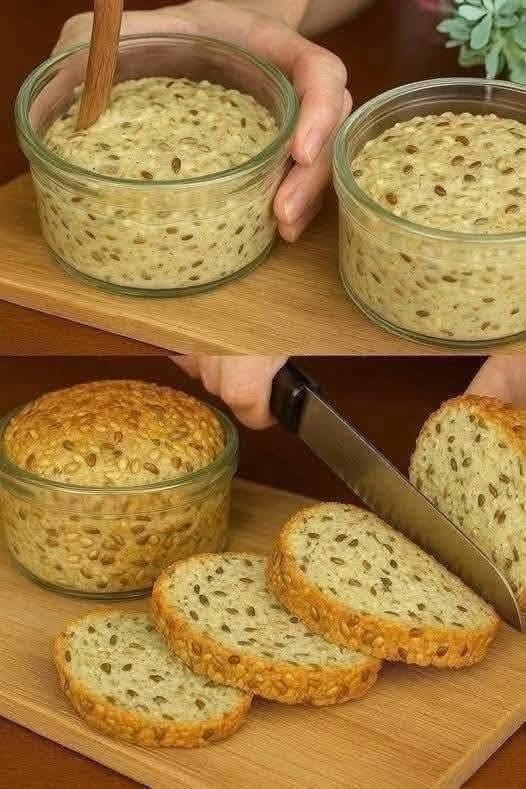
Freshly baked bread has a unique ability to make any meal feel more special. The aroma of a warm loaf coming from the oven, the crisp sound of the crust when sliced, and the soft texture inside are some of the simple pleasures of homemade cooking. This three ingredient seeded bread is a wonderful example of how basic ingredients can create something delicious, satisfying, and nourishing without requiring complicated baking techniques.
This recipe focuses on simplicity while still delivering the qualities people love in a homemade loaf. With only three main ingredients—self-rising flour, Greek yogurt, and a mixture of seeds—you can create a rustic bread with a golden crust, tender interior, and plenty of flavor. It is a practical recipe for busy days because it does not require yeast, long rising periods, or special baking equipment.
The combination of flour and yogurt creates a soft dough that is easy to prepare. Greek yogurt adds moisture and a gentle tangy flavor, helping the bread maintain a pleasant texture after baking. The seeds bring the loaf to life by adding crunch, richness, and a naturally nutty taste. A mixture of sunflower seeds, pumpkin seeds, sesame seeds, flaxseeds, and chia seeds provides variety in every slice and gives the bread a beautiful rustic appearance.
One of the reasons this bread is so appealing is its beginner-friendly preparation. Many homemade bread recipes require careful yeast handling, proofing time, and precise techniques. This recipe removes those challenges while still creating a loaf that looks and tastes like something from a bakery. The dough comes together quickly, making it suitable for anyone who wants fresh bread without spending hours in the kitchen.
The texture of this bread is wonderfully balanced. The outside develops a firm, lightly crisp crust during baking, while the inside remains soft and moist. The seeds create small bursts of crunch throughout the loaf, making every bite more enjoyable. The yogurt helps prevent the bread from becoming dry, giving it a satisfying texture that works well for both fresh slices and toasted pieces.
This seeded bread is also highly versatile. It can be enjoyed in many different ways throughout the day. A warm slice with butter makes a simple and comforting breakfast. Toasted slices can be topped with avocado, cream cheese, hummus, or other favorite spreads. The sturdy texture also makes it excellent for sandwiches because it can hold fillings without falling apart.
For lunch or dinner, this bread pairs beautifully with soups, salads, and hearty dishes. The nutty flavor from the seeds complements both light and rich meals. Thick slices can be served alongside stews, while thinner slices can be used for open sandwiches or snacks.
Another advantage of this recipe is that it can easily be customized. While the basic version uses only three ingredients, additional flavors can be added according to personal preference. A small amount of honey can create a slightly sweeter loaf, while herbs such as rosemary or thyme can add a savory aroma. Extra seeds sprinkled on top create an attractive bakery-style finish.
Storage is also simple. Once cooled completely, the bread can be kept fresh for several days when properly wrapped. It can also be sliced and frozen, allowing you to enjoy homemade bread whenever you need it. Frozen slices can be reheated in a toaster or oven for a quick and convenient serving.
This three ingredient seeded bread demonstrates that delicious baking does not always require complicated recipes. By combining a few carefully chosen ingredients, you can create a wholesome loaf that is flavorful, practical, and enjoyable for the whole family.
Ingredients
Main Ingredients
- 3 cups self-rising flour
- 2 cups plain Greek yogurt
- 1 cup mixed seeds, including sunflower seeds, pumpkin seeds, sesame seeds, flaxseeds, chia seeds, or your preferred combination
Optional Ingredients
- A pinch of salt for extra flavor
- 1 tablespoon honey for mild sweetness
- Additional seeds for topping
- A small amount of water if the dough feels too dry
Step 1: Prepare the Oven
Begin by preparing your kitchen workspace. Preheat the oven to 375°F (190°C). Allow the oven to fully warm before baking because a properly heated oven helps the bread cook evenly and develop a better crust.
Prepare a baking tray by lining it with parchment paper, or lightly grease a loaf tin if you prefer a more traditional bread shape.
Step 2: Mix the Dry Ingredients
Place the self-rising flour into a large mixing bowl. If the flour contains lumps, sift it gently before use to create a smoother dough.
Add most of the mixed seeds to the flour, keeping a small amount aside for decorating the top of the loaf. Mix the flour and seeds thoroughly so the seeds are evenly distributed throughout the bread.
Step 3: Add the Yogurt
Gradually add the Greek yogurt to the flour mixture. Begin stirring with a wooden spoon or spatula.
At first, the dough may appear rough and uneven. Continue mixing until the yogurt is fully combined with the flour and no large areas of dry flour remain.
Step 4: Form and Knead the Dough
When the dough becomes too thick to stir, use clean hands to bring it together. Press and fold the dough gently until it forms a soft mixture.
The dough should be slightly sticky but easy to handle. If it feels too sticky, add a small amount of flour. If it feels dry or crumbly, add a teaspoon of water or yogurt at a time until the texture improves.
Transfer the dough onto a lightly floured surface and knead gently for about three to five minutes. Since this is not a yeast-based bread, heavy kneading is unnecessary. The purpose is only to create a smooth dough and distribute the seeds evenly.
Step 5: Shape the Loaf
Shape the dough into a round or oval loaf depending on your preference.
For a loaf tin version, lightly grease the tin and place the dough inside. For a free-form loaf, place the dough onto a prepared baking tray.
Sprinkle the reserved seeds over the top and press them gently into the dough so they remain attached during baking.
Use a sharp knife to make a shallow cut across the surface of the loaf. This allows the bread to expand properly while baking.
Step 6: Bake the Bread
Place the bread into the preheated oven and bake for approximately 35 to 45 minutes.
The loaf should develop a golden-brown crust and feel firm when finished. To check for doneness, carefully tap the bottom of the bread. A hollow sound indicates that it is ready.
You can also insert a skewer into the center of the loaf. It should come out clean without wet dough.
Step 7: Cool Before Serving
Remove the bread from the oven and place it on a cooling rack.
Allow it to cool for at least 20 minutes before slicing. This resting time helps the inside texture become fully set and prevents the bread from becoming gummy.
Nutrition Information
Nutrition values may vary depending on the exact ingredients and seed combination used.
Serving Size: 1 slice
- Calories: Approximately 180–220 calories
- Carbohydrates: 25–30 grams
- Protein: 7–10 grams
- Fat: 5–8 grams
- Fiber: 3–5 grams
- Sugar: 2–4 grams
- Calcium: Provides a moderate amount from yogurt and seeds
- Iron: Contains naturally occurring iron from seeds and flour
This bread provides a combination of carbohydrates for energy, protein from Greek yogurt and seeds, and healthy fats from the seed mixture.
Recipe Duration
Preparation Time: 15 minutes
Mixing Time: 10 minutes
Shaping Time: 5 minutes
Baking Time: 35–45 minutes
Cooling Time: 20 minutes
Total Time: Approximately 1 hour to 1 hour 15 minutes
Storage Instructions
Allow the bread to cool completely before storing.
Keep it in an airtight container or wrap it in a clean kitchen towel. It will stay fresh at room temperature for up to three days.
For longer storage, slice the loaf and freeze the pieces in a freezer-safe container. Toast slices directly from frozen whenever you want fresh-tasting bread.
Helpful Tips for Better Results
- Full-fat Greek yogurt creates a softer and richer texture.
- A variety of seeds gives the bread better flavor and appearance.
- Avoid over-kneading because this bread does not require strong gluten development.
- Add a small oven-safe dish of water while baking for a slightly crispier crust.
- If self-rising flour is unavailable, combine plain flour with baking powder and a small amount of salt.
Recipe Variations
- Add honey or maple syrup for a lightly sweet version.
- Toast the seeds before mixing them into the dough for deeper flavor.
- Add herbs such as rosemary, thyme, or oregano for a savory loaf.
- Bake the dough on a hot baking stone for a more rustic crust.
- Shape the dough into smaller rolls for individual servings.